
Can Heavy Rain Damage Your Foundation in Texas? Warning Signs Every Homeowner Should Know
How Excess Rainfall Affects Your Home’s Foundation
In Texas, weather can shift quickly from dry heat to intense storms, and that change can take a serious toll on your home’s foundation. At Dodson Foundation Repair, homeowners trust our team to diagnose and repair foundation issues caused by unstable soil conditions. With decades of combined experience and a commitment to honest, customer-first service, we understand how regional climate patterns impact your home from the ground up.
Heavy rainfall is more than just an inconvenience. It can lead to soil expansion, drainage problems, and long-term structural damage if left unaddressed. Many homeowners do not realize that too much water can be just as harmful as drought conditions. This guide explains how heavy rain affects your foundation, what warning signs to watch for, and what you can do to protect your home.
Why Heavy Rainfall Is a Serious Threat to Foundations in Texas
Texas is known for its expansive clay soil, which reacts dramatically to moisture changes. When heavy rain saturates the ground, the soil expands and puts pressure on your foundation. When it dries out, it contracts, leaving gaps beneath your home. This constant movement is one of the leading causes of foundation damage.
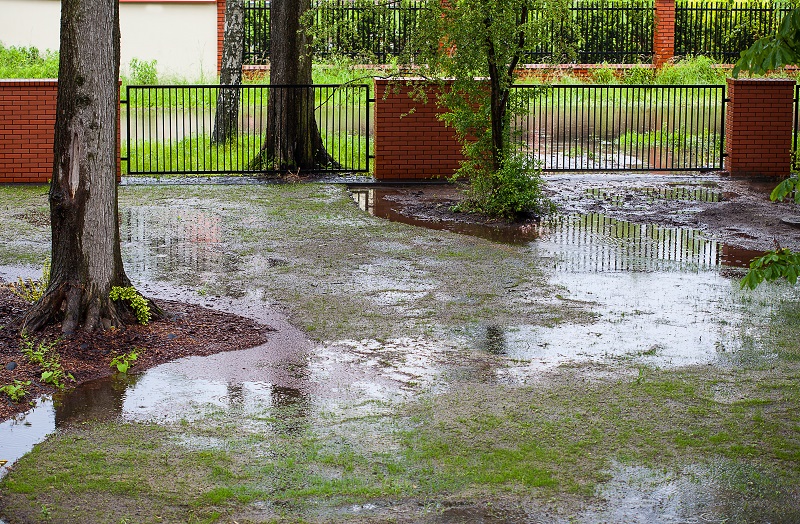
Sudden downpours are common throughout the year, and improper drainage can quickly worsen the problem. Water pooling near your home increases hydrostatic pressure against the foundation walls, which can lead to cracks, shifting, or even structural instability over time.
Common Signs Your Foundation May Be Damaged by Rain
Cracks in Walls or Foundation
One of the earliest signs of foundation trouble is visible cracking. These may appear in interior drywall, brick exteriors, or the foundation slab itself. After heavy rainfall, these cracks may widen as the soil expands.
Uneven or Sloping Floors
If your floors begin to feel uneven, especially after a period of heavy rain, it could indicate that your foundation is shifting due to saturated soil beneath your home.
Sticking Doors and Windows
Excess moisture can cause your foundation to move just enough to misalign door and window frames. If they suddenly become difficult to open or close, it is worth investigating.
Water Pooling Around Your Home
Standing water near your foundation is a major red flag. Poor drainage can accelerate foundation damage and should be addressed quickly.
How Poor Drainage Makes the Problem Worse
Drainage plays a critical role in protecting your foundation. Without proper systems in place, rainwater collects around your home instead of being directed away. This leads to uneven soil expansion, which puts stress on different parts of your foundation.
Common drainage issues include clogged gutters, short downspouts, and improper grading. In areas with clay-heavy soil, even small drainage problems can quickly escalate after a storm. Installing solutions like French drains, surface drains, or extending downspouts can significantly reduce risk.
What Homeowners Can Do to Prevent Rain-Related Foundation Damage
Maintain Consistent Soil Moisture
While it may seem counterintuitive, maintaining consistent moisture levels around your home is key. During dry periods, watering the soil evenly can prevent extreme shrinking, which reduces the impact when heavy rains return.
Improve Drainage Around Your Home
Make sure gutters are clear and functioning properly, and extend downspouts several feet away from your foundation. Consider grading your yard so water flows away from your home rather than toward it.
Schedule Regular Foundation Inspections
A professional inspection can catch early signs of damage before they become costly repairs. Routine inspections are a smart investment in areas where soil movement is common.
Address Issues Early
Small cracks and minor shifts can often be repaired more easily and affordably if caught early. Waiting too long can lead to more extensive structural problems.
Why Professional Foundation Repair Matters
Foundation problems caused by heavy rainfall are not just cosmetic. They affect the structural integrity and long-term value of your home. At Dodson Foundation Repair, we use proven methods such as concrete piers and advanced stabilization techniques to restore your foundation and prevent further movement.
Our team understands the specific challenges of Texas soil and weather patterns. We tailor every repair plan to your home’s unique conditions, ensuring long-lasting results. No matter the size of the issue, we are committed to protecting your home with reliable, high-quality service.
Ready to Protect Your Home from Rain Damage?
Heavy rainfall does not have to lead to costly foundation repairs if you take action early. If you have noticed cracks, uneven floors, or drainage issues around your home, now is the time to act.
Ready for expert foundation repair? Contact Dodson Foundation Repair today to schedule a professional inspection and get guidance you can trust. Visit our contact page to get started and protect your foundation for years to come.