
When Should You Worry About Cracks in Your Walls?
You should worry about cracks in your walls when they are widening, spreading, appearing diagonally around doors or windows, or accompanied by sticking doors, uneven floors, or gaps in your home’s exterior. While small hairline cracks are often caused by normal settling or seasonal changes, larger or growing cracks may indicate foundation movement that requires professional evaluation.
Discovering cracks in your home’s walls can be unsettling. Whether you notice a small crack above a doorway or a stair-step pattern in your exterior brick, it’s natural to wonder whether your foundation is in trouble. The good news is that not every wall crack indicates a serious structural problem. However, knowing the difference between cosmetic cracks and potential foundation damage can help you protect your home and avoid costly repairs.
At Dodson Foundation Repair, we’ve spent more than 40 years helping homeowners understand and address foundation concerns. With extensive experience working with different foundation types and repair systems, along with hundreds of five-star customer reviews, our team believes in providing honest evaluations and straightforward recommendations. Our goal is to help homeowners understand what’s happening with their foundations and determine whether repairs are truly necessary.
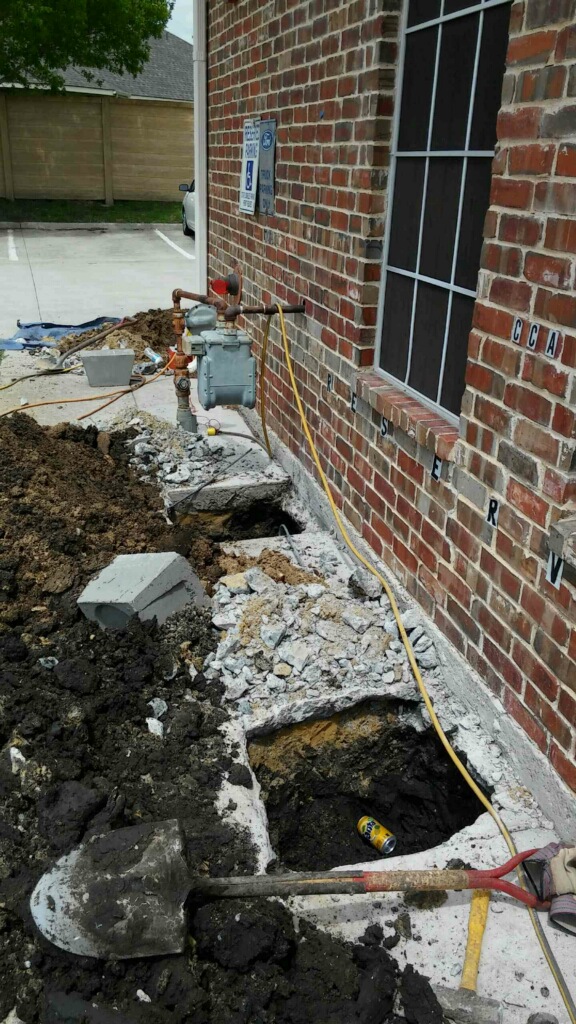
How to Tell if Wall Cracks Are Signs of Foundation Problems
Wall cracks can develop for several reasons, including normal building movement, temperature fluctuations, moisture changes, and foundation settlement. The key is understanding which cracks are typically cosmetic and which may indicate more significant structural movement.
Here are five important factors to consider when evaluating cracks in your home’s walls.
1. What Types of Wall Cracks Are Usually Harmless?
Small, stable hairline cracks are often cosmetic and do not necessarily indicate foundation damage.
These cracks commonly appear in drywall or plaster as building materials expand, contract, and adjust to minor movement over time.
Common examples include:
- Hairline drywall cracks: Thin cracks that develop along drywall seams or joints.
- Small vertical cracks: Minor cracks that remain narrow and show no signs of continued movement.
- Ceiling-to-wall cracks: Fine cracks where walls and ceilings meet, sometimes caused by seasonal changes.
- Minor settling cracks: Small cracks that develop as building materials adjust after construction.
Although these cracks are often harmless, it’s important to monitor them for changes.
Homeowner tip: Take a photograph of any new crack and record the date. Check it periodically to see whether it is widening, lengthening, or developing additional damage.
If a crack remains unchanged and there are no other warning signs, cosmetic repairs may be sufficient.
2. Which Wall Cracks Could Indicate Foundation Damage?
Wall cracks become more concerning when they show signs of significant or ongoing movement, especially when multiple symptoms appear together.
Some patterns deserve closer attention than others.
Diagonal cracks around doors and windows
Diagonal cracks extending from the corners of doors or windows can develop when different parts of a home move unevenly. These cracks may indicate foundation settlement, although framing movement and other factors can also contribute.
Stair-step cracks in brickwork
Cracks following a stair-step pattern along mortar joints can be associated with differential foundation movement. These are particularly important to evaluate when they continue to widen or appear alongside other structural changes.
Wide or expanding cracks
Cracks that grow wider over time deserve professional attention. A crack wider than approximately 1/4 inch is a practical warning sign, although width alone cannot determine whether a crack is structural.
Horizontal cracks
Horizontal cracks in masonry or foundation walls may indicate pressure or structural movement. Bowing, bulging, or displacement alongside horizontal cracking warrants prompt evaluation.
Important: No single crack pattern proves that foundation repair is necessary. A professional assessment should consider the entire structure, not just the appearance of one crack.
3. What Other Warning Signs Should You Look for Alongside Wall Cracks?
Wall cracks are more concerning when they appear with other symptoms of foundation movement.
Look for these additional warning signs:
- Doors that suddenly stick or no longer latch properly
- Windows that become difficult to open or close
- Uneven, sloping, or noticeably shifting floors
- Gaps between walls and ceilings
- Separation around exterior doors or windows
- Cracks in exterior brick or foundation surfaces
- Interior trim pulling away from walls
For example, a small drywall crack above a door may not be concerning by itself. However, if the crack continues to grow and the same door becomes difficult to close, it may indicate movement that deserves further investigation.
These symptoms can have several causes, so a thorough inspection is important before deciding whether foundation repairs are needed.
At Dodson Foundation Repair, we believe homeowners deserve a clear explanation of their foundation’s condition rather than an automatic recommendation for expensive repairs.
4. Can Soil Conditions and Weather Cause Cracks in Your Walls?
Yes. Changes in soil moisture can contribute to foundation movement, which may eventually cause cracks in interior or exterior walls.
This is particularly relevant for homes built on expansive clay soils.
According to the U.S. Geological Survey (USGS), expansive soils change volume as their moisture content increases or decreases. This shrinking and swelling can place stress on foundations and other structural components.
During extended dry periods, clay soils may shrink as they lose moisture. During periods of heavy rainfall, those same soils can expand.
When these changes occur unevenly beneath a foundation, different sections of the home may move at different rates.
Homeowners can help reduce moisture-related foundation problems by:
- Maintaining proper drainage around the home
- Keeping gutters and downspouts clear
- Directing water away from the foundation
- Repairing plumbing leaks promptly
- Avoiding extreme fluctuations in soil moisture where practical
- Monitoring landscaping and irrigation near the foundation
While these steps cannot prevent every foundation problem, they can help reduce conditions that contribute to unnecessary movement.
5. When Should You Call a Foundation Repair Professional About Wall Cracks?
You should schedule a professional foundation evaluation when cracks are growing, recurring after repairs, showing displacement, or appearing alongside other warning signs of foundation movement.
A foundation repair professional can evaluate the home’s condition and help determine whether the symptoms suggest settlement, moisture-related movement, or another issue.
During an evaluation, important considerations may include:
- The location, direction, and size of wall cracks
- Evidence of interior or exterior foundation movement
- Changes in floor elevations
- Drainage and moisture conditions
- Doors, windows, and other structural warning signs
- Whether additional investigation or engineering evaluation is appropriate
Not every foundation concern requires immediate repairs. In some situations, monitoring cracks, correcting drainage problems, or addressing moisture issues may be more appropriate.
However, rapidly expanding cracks, visibly bowing walls, or sudden structural displacement should be evaluated promptly by a qualified structural professional. If there is an immediate safety concern, avoid the affected area until it has been assessed.
With more than 40 years of experience, Dodson Foundation Repair understands the importance of evaluating the complete picture before recommending a foundation repair solution.
Frequently Asked Questions About Cracks in Walls
Are vertical or horizontal wall cracks more serious?
Horizontal cracks in masonry or foundation walls can be especially concerning when accompanied by bowing or displacement. Vertical cracks are often less serious, but their width, growth, location, and surrounding symptoms determine whether further evaluation is necessary.
How wide does a wall crack have to be before it’s concerning?
Cracks wider than approximately 1/4 inch should be evaluated, particularly if they are growing or showing displacement. However, even smaller cracks may be significant when accompanied by sticking doors, uneven floors, or other signs of movement.
Can a house have wall cracks without foundation problems?
Yes. Drywall shrinkage, seasonal temperature changes, framing movement, and normal settling can cause wall cracks without significant foundation damage. A professional evaluation can help identify the likely cause.
Should I repair wall cracks before getting my foundation checked?
If you suspect foundation movement, it’s generally best to investigate the underlying cause before making cosmetic repairs. Otherwise, cracks may return if the movement continues.
Concerned About Wall Cracks? Trust Dodson Foundation Repair
Finding cracks in your walls doesn’t automatically mean your home needs foundation repair, but ignoring signs of ongoing movement can allow problems to become more serious.
Understanding which cracks are cosmetic and which may indicate foundation trouble is the first step toward protecting your home.
At Dodson Foundation Repair, we bring more than 40 years of experience, extensive knowledge of foundation repair systems, and a commitment to honest recommendations. We believe homeowners should feel confident about their foundation’s condition and understand their options before making repair decisions.
Noticing cracks in your walls? Don’t wait for the problem to get worse.
Contact Dodson Foundation Repair today to discuss your foundation concerns and take the next step toward protecting your home.