
Top Signs Your Dallas-Fort Worth Home Needs Foundation Repair
How to Recognize Foundation Problems Before They Get Worse
Your home’s foundation supports everything above it, so even small changes can signal a larger issue developing below the surface. In the Dallas-Fort Worth area, foundation movement is especially common because many homes are built on expansive clay soils that shrink during dry weather and expand after heavy rains. This continual cycle places stress on foundations and can lead to structural damage over time.
For more than 40 years, Dodson Foundation Repair has helped homeowners across Dallas, Fort Worth, Plano, Frisco, McKinney, Arlington, Denton, and surrounding North Texas communities identify and repair foundation problems before they become more costly. Our experienced team understands the unique soil conditions throughout the Metroplex and provides honest evaluations, quality workmanship, and long-lasting repair solutions. We know that noticing a crack in your wall or a sticking door can be concerning, which is why we believe every homeowner should understand the warning signs of foundation movement.
If you’ve been asking yourself, “Does my Dallas-Fort Worth home need foundation repair?” this guide will help you recognize the most common symptoms and explain when it’s time to schedule a professional inspection.
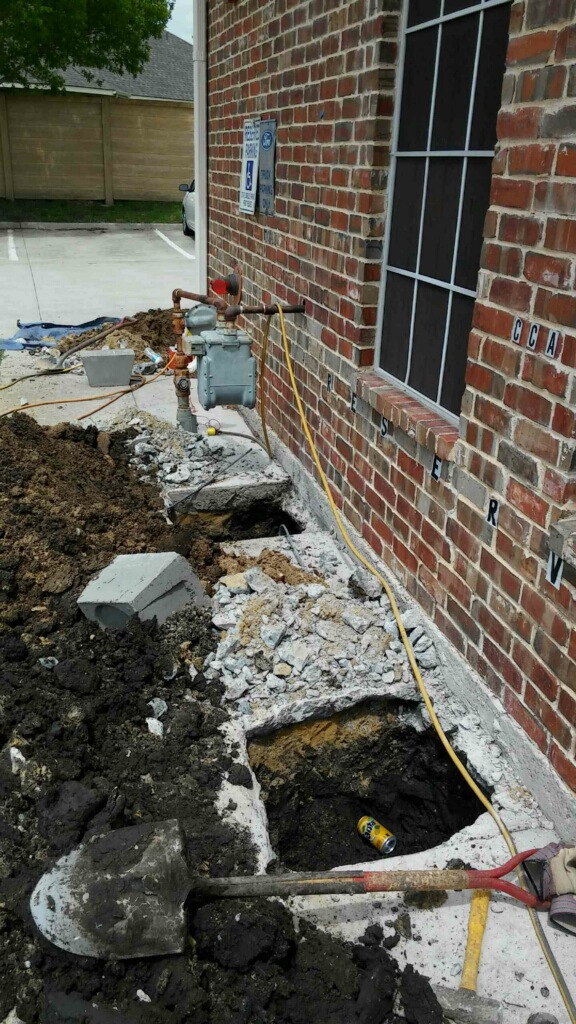
Common Warning Signs of Foundation Problems in North Texas
Cracks in Walls, Ceilings, or Brick
One of the first signs homeowners notice is cracking. While small cosmetic cracks can occur as a home naturally settles, larger or expanding cracks deserve attention.
Look for:
- Stair-step cracks in brick exterior walls
- Cracks above doors and windows
- Diagonal drywall cracks
- Ceiling cracks that continue to grow
- Gaps where walls meet the ceiling
These cracks may develop because different sections of the foundation are moving at different rates, a condition known as differential settlement.
If new cracks continue appearing or existing ones become larger, it is a good idea to have your foundation evaluated.
Doors and Windows That Stick
Have you noticed doors that suddenly will not close properly or windows that are difficult to open?
As foundations shift, door and window frames can become misaligned. You may notice:
- Doors rubbing against the frame
- Interior doors swinging open on their own
- Windows that stick
- Latches that no longer line up
- Visible gaps around frames
Although humidity can occasionally affect wood doors, multiple sticking doors and windows throughout the home often point to foundation movement rather than a simple seasonal issue.
Uneven or Sloping Floors
Floors should generally feel level throughout your home. If you notice areas that seem to slope or feel uneven while walking, it could indicate that sections of the foundation have shifted.
Additional signs include:
- Tile flooring with new cracks
- Hardwood floors separating
- Bouncy or uneven flooring
- Furniture that appears to lean
Foundation movement does not always happen suddenly. In many cases, these changes occur gradually over several months or years.
Gaps Around Exterior Trim
Foundation movement can also cause separation around your home’s exterior.
Watch for:
- Gaps between brick and siding
- Separation around garage doors
- Openings near window trim
- Chimneys pulling away from the house
These exterior changes often become more noticeable after long periods of drought followed by heavy rainfall, which are common weather patterns across North Texas. Expansive clay soils can change volume significantly as moisture levels fluctuate, placing stress on foundations.
Water Drainage Problems Around Your Foundation
Many homeowners focus only on cracks, but drainage plays a major role in foundation performance.
Signs of poor drainage include:
- Standing water near the foundation
- Gutters overflowing next to the home
- Soil pulling away from the foundation during drought
- Erosion around flower beds
- Downspouts draining directly beside the house
Proper drainage helps maintain more consistent soil moisture around your home. Without it, repeated expansion and contraction of clay soils can contribute to ongoing foundation movement.
Why Dallas-Fort Worth Homes Are More Susceptible
North Texas is known for its expansive clay soils, which react dramatically to changing moisture levels. During hot summers, the soil contracts as it dries. When seasonal rains return, the soil expands again.
This constant movement affects homes throughout communities such as:
- Dallas
- Fort Worth
- Plano
- Frisco
- McKinney
- Arlington
- Denton
- Lewisville
- Grapevine
Because these soil conditions are so common across the Metroplex, foundation maintenance and periodic inspections are an important part of responsible homeownership.
Why Early Detection Saves Money
Foundation problems rarely improve on their own. Small warning signs can become larger structural concerns if ignored.
Scheduling a professional inspection early may help:
- Prevent additional structural damage
- Protect plumbing beneath the slab
- Reduce future repair costs
- Preserve your home’s value
- Give you peace of mind
At Dodson Foundation Repair, we believe in honest recommendations. If your home does not need repairs, we will tell you. If repairs are necessary, we will explain your options clearly so you can make an informed decision.
Trust Dodson Foundation Repair for Expert Foundation Solutions
For more than four decades, Dodson Foundation Repair has been helping Dallas-Fort Worth homeowners protect their homes with dependable foundation repair services. Our experienced team has worked with virtually every type of pier system used throughout Texas and understands the unique soil conditions that affect homes across North Texas.
Whether you’ve noticed cracks, sticking doors, uneven floors, or drainage concerns, we are here to help you determine the cause and recommend the right solution.
Ready to Protect Your Home?
If you’ve noticed any of these warning signs, don’t wait for the problem to become more serious. Contact Dodson Foundation Repair today to schedule a professional foundation evaluation. Visit our contact page to learn how we can help protect your home for years to come.