
Can Foundation Problems Get Worse During the Transition From Fall to Winter?
Yes, foundation problems can worsen during the transition from fall to winter, particularly in North Texas, where expansive clay soils react to changing moisture levels. Fall rainfall, winter temperature fluctuations, and existing drainage problems can contribute to uneven soil movement. Homes with existing foundation damage may experience additional cracking, shifting, or structural changes as seasonal conditions change.
As temperatures begin to drop across Dallas-Fort Worth, most homeowners focus on preparing their heating systems, protecting outdoor plumbing, and getting ready for the holidays. However, the foundation supporting your home deserves attention during this seasonal transition, too.
At Dodson Foundation Repair, we have helped North Texas homeowners identify and address foundation concerns for more than 40 years. Our team understands how local soil conditions and seasonal weather changes can affect both concrete slab and pier and beam foundations. We believe in providing honest evaluations, explaining potential problems clearly, and helping homeowners make informed decisions without unnecessary pressure.
Understanding how fall and winter conditions affect your foundation can help you recognize warning signs before minor concerns become more significant.
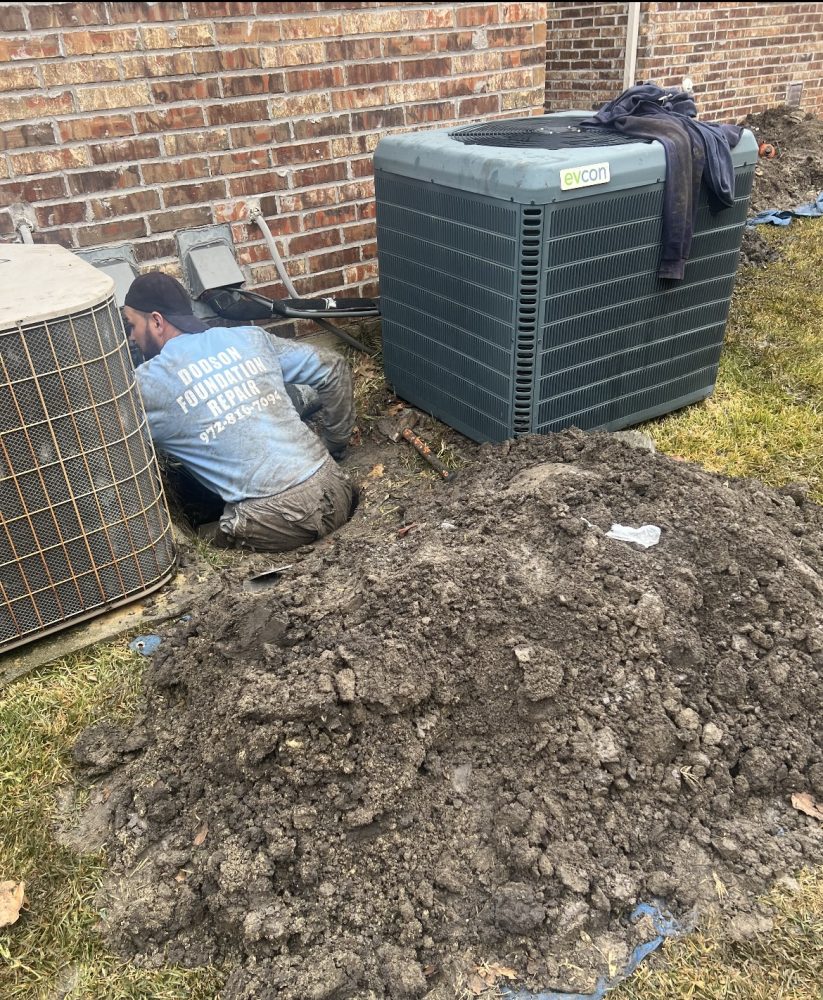
Why Seasonal Weather Changes Can Make Existing Foundation Problems Worse
How Do Changing Soil Conditions Affect Your Foundation in Fall and Winter?
Changes in soil moisture are one of the primary reasons foundation movement can continue during the colder months.
North Texas contains expansive clay soils that absorb water and expand during wet conditions. When these soils lose moisture, they shrink.
According to the USDA Natural Resources Conservation Service, expansive clay minerals undergo pronounced volume changes as moisture levels fluctuate.
This becomes particularly important during the transition from fall to winter.
After a hot, dry summer, fall rainfall can reintroduce moisture into soil that has experienced significant drying. As the soil absorbs water, it may begin expanding beneath or around the foundation.
If different areas of the property receive different amounts of moisture, the resulting movement may be uneven.
For example, one side of a home may receive substantial roof runoff while another side remains relatively dry. This difference can contribute to uneven pressure beneath the structure.
Homes with existing foundation movement may be more vulnerable to additional changes because the structure has already experienced some degree of displacement.
The Federal Highway Administration identifies repeated wet-and-dry cycles as an important contributor to expansive soil problems in Texas.
While seasonal movement does not always require repairs, changes that continue or worsen should be evaluated.
Can Cold Weather and Freezing Temperatures Damage a Foundation?
Cold weather can contribute to foundation problems, but in Dallas-Fort Worth, changing soil moisture and drainage conditions are often more significant concerns than freezing temperatures alone.
North Texas generally experiences milder winters than northern states, but occasional freezing temperatures and winter storms can still create problems for homeowners.
One concern is water trapped in cracks or openings. When water freezes, it expands and may contribute to deterioration in vulnerable materials.
Another concern is frozen plumbing.
When exposed pipes freeze and rupture, escaping water can saturate the soil around or beneath a home. Depending on the location and severity of the leak, this additional moisture may contribute to foundation movement.
Potential winter-related concerns include:
- Water entering existing cracks and openings
- Plumbing leaks caused by frozen or damaged pipes
- Uneven soil moisture following winter storms
- Continued movement in foundations already experiencing settlement
- Drainage problems that remain unresolved after fall rainfall
Freezing weather does not automatically cause foundation damage. However, homes with existing structural concerns, poor drainage, or vulnerable plumbing may face additional risks.
Taking preventive measures before temperatures drop can help reduce avoidable problems.
What Signs Indicate That Existing Foundation Damage Is Getting Worse?
The clearest indication that foundation problems may be worsening is a noticeable change in existing symptoms.
A crack that has remained unchanged for several years may be less concerning than one that suddenly grows wider. Similarly, a door that begins sticking during seasonal humidity changes may have a different cause than several doors becoming difficult to close at the same time.
Homeowners should pay particular attention to:
Cracks that continue to widen
Monitor cracks in drywall, ceilings, and exterior brickwork. Increasing width or length can indicate ongoing movement.
Doors and windows that become harder to operate
If doors begin rubbing against their frames or windows no longer close properly, changes in alignment may be occurring.
Uneven or sloping floors
Noticeable changes in floor elevation can indicate that sections of the foundation are moving differently.
Gaps around trim and openings
Separation around windows, door frames, or interior trim may develop as the structure shifts.
Recurring cracks after cosmetic repairs
If previously repaired cracks reopen, the underlying movement may not have stabilized.
Not every symptom is caused by foundation damage. Seasonal humidity, normal building movement, and other structural or material conditions can produce similar changes.
However, when multiple symptoms develop together or become progressively worse, a professional evaluation can help identify the cause.
Should You Wait Until Spring to Address Foundation Problems?
Homeowners generally should not wait until spring to evaluate foundation problems that are actively worsening.
Although some foundation movement is seasonal, delaying an evaluation can make it more difficult to understand what is happening beneath your home.
For example, a homeowner may notice a new crack in November and assume it will disappear when temperatures warm up. If the crack continues widening or additional symptoms develop, the underlying issue may need attention.
A professional foundation evaluation can help determine:
- Whether visible symptoms are consistent with foundation movement
- Whether movement appears to be ongoing
- Whether drainage or moisture conditions may be contributing
- Whether foundation repairs are appropriate
- Whether monitoring the structure is a reasonable next step
Not every foundation concern requires immediate repair.
At Dodson Foundation Repair, we believe homeowners should understand the condition of their foundation before making expensive decisions.
Our experience with residential and commercial foundations allows us to evaluate potential problems and explain available repair options when necessary.
Scheduling an evaluation during fall or winter can provide valuable information without automatically committing you to a repair project.
How Can You Protect Your Foundation Before Winter Arrives?
Preparing your foundation for winter starts with managing moisture, addressing maintenance concerns, and paying attention to changes around your home.
Several simple steps can help reduce potential problems.
Inspect your gutters and downspouts.
Remove fallen leaves and debris so water can drain properly during winter storms. Make sure downspouts direct water away from the foundation.
Check for standing water.
After rainfall, inspect areas around the home’s perimeter. Water that repeatedly pools near the foundation may indicate a drainage concern.
Protect vulnerable plumbing.
Insulate exposed pipes where appropriate and follow local freeze-preparation recommendations. Preventing plumbing leaks can help protect the soil conditions surrounding your foundation.
Monitor existing foundation cracks.
Take photographs of visible cracks and record any changes. This information can be useful if a professional evaluation becomes necessary.
Avoid unnecessary moisture fluctuations.
Adjust irrigation schedules to reflect cooler temperatures and rainfall. The goal is to avoid excessive watering or prolonged saturation around the foundation.
Address concerning symptoms promptly.
If you notice rapidly widening cracks, significant floor movement, or multiple doors becoming misaligned, arrange a professional assessment rather than waiting for warmer weather.
These steps cannot prevent every foundation problem, but they can help reduce avoidable moisture-related risks.
Frequently Asked Questions About Foundation Problems During Fall and Winter
Do foundation problems get worse in cold weather?
They can, but cold temperatures alone are not usually the main cause in North Texas. Changing soil moisture, drainage problems, and plumbing leaks can contribute to additional foundation movement during fall and winter.
Can foundation repairs be completed during winter?
Yes. Many foundation repairs can be performed during winter, depending on weather conditions, soil conditions, and the type of repair required. A professional evaluation can determine the appropriate approach and timing.
Will foundation cracks close when the weather warms up?
Some cracks may change in appearance as seasonal conditions change, but this does not necessarily mean the underlying problem has been resolved. Recurring or worsening cracks should be evaluated.
Is it normal for a house to settle during seasonal changes?
Some minor building movement can occur as environmental conditions change. However, progressive cracking, noticeable floor slopes, and recurring alignment problems may indicate foundation movement that deserves professional attention.
Get Ahead of Winter Foundation Problems With Dodson Foundation Repair
Seasonal weather changes are unavoidable in North Texas, but homeowners can take steps to recognize potential foundation problems and make informed decisions about their properties.
At Dodson Foundation Repair, we have spent more than four decades helping Dallas-Fort Worth homeowners understand foundation movement and find appropriate solutions. Whether you have noticed new cracks, sticking doors, or changes in your floors, our team is here to help you determine what may be happening.
We take pride in providing honest guidance, professional evaluations, and foundation repair recommendations based on your home’s actual needs.
Concerned that your foundation problems may be getting worse? Schedule your free foundation evaluation with Dodson Foundation Repair today and head into winter with greater confidence in your home.