
How Do Local Soil Conditions Affect Your Foundation?
Local soil conditions affect your foundation by changing how the ground supports your home as moisture levels rise and fall. Expansive clay soils swell when wet and shrink when dry, causing foundation movement that can lead to cracks, uneven floors, and sticking doors or windows. Understanding your soil type helps prevent costly foundation damage.
The ground beneath your home plays a bigger role in your foundation’s health than many homeowners realize. At Dodson Foundation Repair, we’ve spent more than 40 years evaluating foundation movement caused by changing soil conditions and helping homeowners protect one of their largest investments. Every property is different, and successful foundation repair begins with understanding what is happening below the surface. Our experienced team takes the time to identify the cause of foundation movement, explain your options clearly, and recommend lasting solutions designed for your home’s unique conditions. Whether you’ve noticed cracks or simply want peace of mind, knowing how soil affects your foundation is the first step toward preventing larger structural problems.
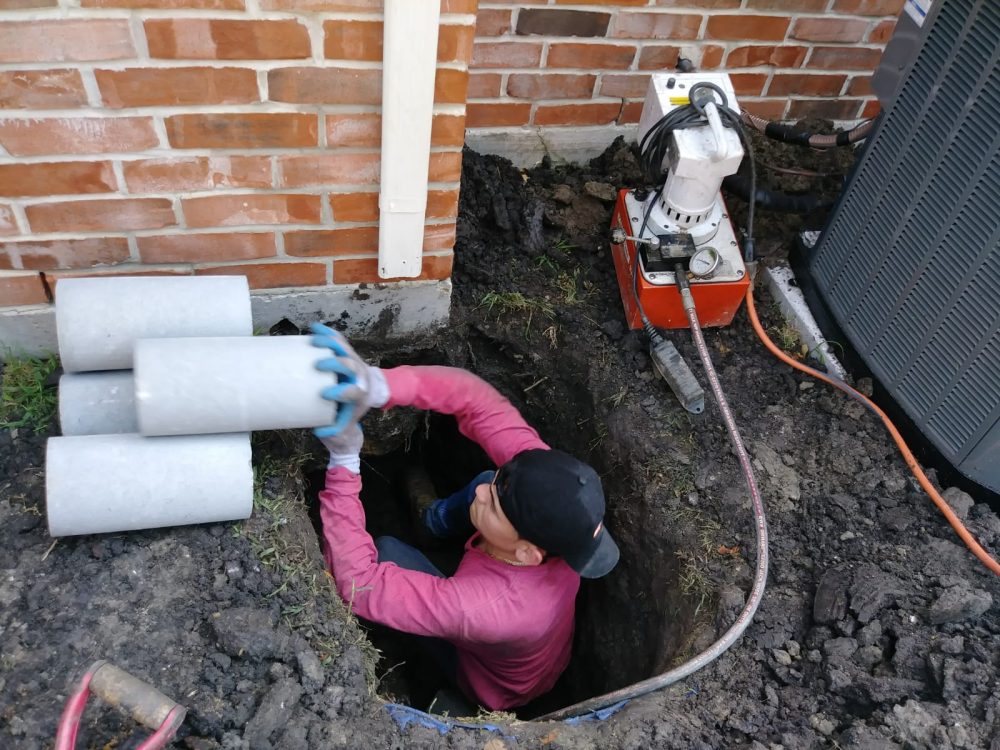
Why Soil Type Matters for Your Home’s Foundation
Your foundation is only as stable as the soil supporting it. Different soil types react differently to weather, moisture, and changing environmental conditions.
According to the United States Geological Survey (USGS), soils naturally expand, contract, compress, and shift depending on their composition and moisture content. These changes directly influence how foundations perform over time.
Why Does Clay Soil Cause Foundation Problems?
Expansive clay soil is one of the most common causes of foundation movement.
Clay absorbs significant amounts of water during wet periods, causing it to swell. During dry weather, the same soil loses moisture and contracts. This repeated cycle creates pressure that can lift or allow portions of a foundation to settle unevenly.
Homes built on expansive clay may experience:
- Foundation cracks
- Interior drywall cracks
- Uneven or sloping floors
- Doors and windows that stick
- Brick separation or stair-step cracks
- Gaps around trim or ceilings
The more dramatic the moisture changes, the greater the potential for foundation movement.
Can Sandy Soil Affect Foundations Too?
Yes. Sandy soil generally drains water more efficiently than clay, but it can still contribute to foundation issues.
Loose sandy soil may:
- Wash away during heavy rainfall
- Shift beneath foundation footings
- Lose support due to erosion
- Settle unevenly over time
Although sandy soils typically experience less expansion than clay, poor compaction or water erosion can still create structural concerns.
How Does Weather Impact Soil Movement?
Moisture is one of the biggest factors affecting foundation stability.
Extended droughts cause soil to dry and shrink. Heavy rainfall or prolonged wet periods allow soil to expand again.
These seasonal moisture swings create repeated stress beneath a home’s foundation.
Contributors to soil movement include:
- Long periods without rain
- Heavy storms
- Poor drainage
- Plumbing leaks beneath the slab
- Improper landscape irrigation
- Large trees drawing moisture from the soil
According to the Federal Emergency Management Agency (FEMA), maintaining proper drainage around your home is one of the most effective ways to reduce water-related structural issues.
What Are the Warning Signs That Soil Is Affecting Your Foundation?
Foundation movement often develops gradually, making early warning signs easy to overlook.
Watch for:
- Cracks in drywall
- Exterior brick cracks
- Doors that suddenly become difficult to close
- Windows that stick
- Uneven flooring
- Gaps around window frames
- Separation where walls meet ceilings
These symptoms do not automatically indicate severe structural damage, but they should be evaluated by an experienced foundation professional before the problem worsens.
Can You Prevent Soil-Related Foundation Problems?
While you cannot change your soil type, you can reduce the effects of moisture fluctuations.
Helpful prevention strategies include:
- Maintain consistent soil moisture during dry periods.
- Keep gutters clean and direct downspouts away from the foundation.
- Correct drainage issues that allow water to pool near your home.
- Repair plumbing leaks promptly.
- Avoid overwatering landscaping next to the foundation.
- Monitor trees planted close to the home, as large root systems can remove moisture from surrounding soil.
Routine inspections also help identify small issues before they become major repairs.
Why Professional Foundation Evaluations Matter
Every foundation moves slightly over time, but excessive movement requires expert evaluation.
A professional foundation inspection can determine:
- Whether movement is normal or significant
- What caused the movement
- Whether repairs are needed
- Which repair method is appropriate
- Whether drainage improvements should accompany repairs
At Dodson Foundation Repair, our experienced team evaluates both the visible symptoms and the underlying soil conditions before recommending any repair plan. This comprehensive approach helps ensure long-term stability instead of temporary fixes.
Frequently Asked Questions
What type of soil is hardest on foundations?
Expansive clay soil is generally considered the most challenging because it repeatedly expands and contracts as moisture levels change, creating movement beneath foundations.
Does rain make foundation problems worse?
Heavy rainfall can worsen existing foundation issues by causing expansive soils to swell or by increasing erosion around the foundation if drainage is poor.
Can drought damage a foundation?
Yes. Extended dry conditions cause clay soils to shrink, reducing support beneath portions of the foundation and increasing the likelihood of settlement and cracking.
How do I know if soil is causing my foundation problems?
A professional foundation inspection can determine whether soil movement, drainage, plumbing leaks, or another issue is responsible for your home’s foundation symptoms.
Protect Your Foundation with Dodson Foundation Repair
Your home’s foundation depends on the stability of the soil beneath it. Understanding how local soil conditions affect your foundation can help you recognize warning signs early and avoid more extensive repairs later.
For more than 40 years, homeowners have trusted Dodson Foundation Repair for honest evaluations, experienced craftsmanship, and lasting foundation solutions. If you’ve noticed cracks, sticking doors, uneven floors, or other signs of foundation movement, our team is here to help.
Ready to protect your home’s foundation? Contact Dodson Foundation Repair today through our contact page to schedule a professional foundation evaluation and get expert recommendations you can trust.