
Should You Buy a House with Foundation Issues?
Yes, you can buy a house with foundation issues, but only after a professional foundation inspection identifies the cause, severity, and repair costs. Many foundation problems are repairable, but buying without understanding the scope of the issue can lead to unexpected expenses. The key is making an informed decision based on expert evaluation, not assumptions.
Buying a home is one of the biggest investments you’ll ever make, and discovering foundation issues during the process can feel overwhelming. At Dodson Foundation Repair, we’ve spent more than 40 years helping homeowners understand foundation problems and find lasting solutions. Our experienced team has evaluated thousands of homes, from minor settlement issues to more complex structural concerns. We believe buyers deserve honest answers, transparent recommendations, and the information needed to make confident decisions. Whether you’re considering your dream home or negotiating repairs during the buying process, knowing what to look for can save you significant time, money, and stress.
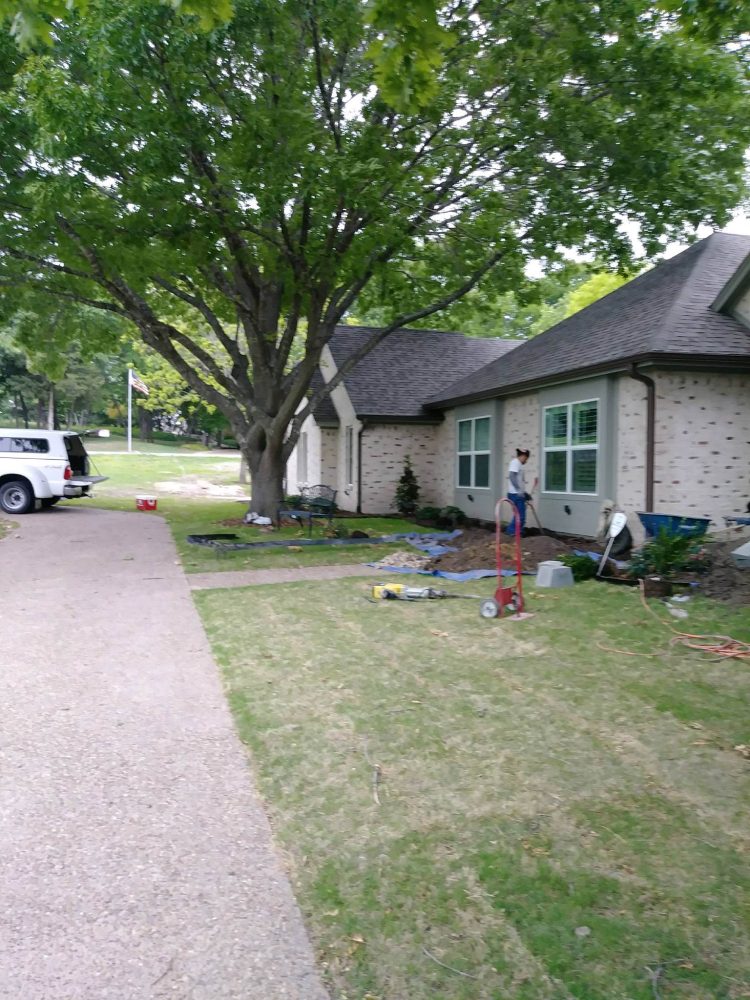
Buying a Home with Foundation Problems: What Every Buyer Should Know
Not every foundation issue is a deal breaker. In fact, many homes with foundation problems can be repaired successfully and provide decades of reliable performance afterward.
The most important step is determining whether the problem is minor, moderate, or severe, and understanding exactly what repairs are needed before closing.
Are All Foundation Problems Serious?
No. Some foundation issues are cosmetic or the result of normal settling, while others require structural repairs.
Common foundation issues include:
- Small drywall cracks
- Doors or windows that stick
- Uneven floors
- Exterior brick cracks
- Gaps around windows or trim
These symptoms do not automatically mean the home has severe structural damage. A professional inspection is the only way to determine the actual condition of the foundation.
According to the International Association of Certified Home Inspectors (InterNACHI), foundation movement is relatively common, but not all movement indicates structural failure. Proper evaluation is necessary before determining the appropriate course of action.
What Should You Do Before Buying a House with Foundation Issues?
The best first step is scheduling an independent foundation inspection.
A qualified foundation specialist can determine:
- Why the foundation moved
- Whether movement is active or has stabilized
- What repairs are recommended
- Estimated repair costs
- Whether drainage or soil conditions contributed to the problem
Having this information gives buyers leverage during negotiations and helps eliminate uncertainty.
Avoid relying solely on a standard home inspection. While home inspectors often identify warning signs, they typically recommend further evaluation by a foundation specialist rather than diagnosing structural conditions themselves.
Can Foundation Repairs Actually Solve the Problem?
Yes, in many cases they can.
Modern foundation repair methods are designed to stabilize homes and prevent additional movement when properly installed. The right repair depends on several factors, including:
- Soil conditions
- Foundation type
- Amount of movement
- Water drainage around the home
- Structural load
An experienced contractor will recommend repairs based on engineering principles rather than a one-size-fits-all solution.
At Dodson Foundation Repair, we’ve worked with virtually every type of pier system used throughout Texas, allowing us to recommend repairs that fit each home’s unique situation.
How Much Can Foundation Problems Affect Home Value?
Foundation issues can reduce a home’s market value, but they can also create opportunities for buyers.
Depending on the severity of the damage, buyers may be able to negotiate:
- A lower purchase price
- Seller-paid repairs before closing
- Closing cost credits
- Repair allowances
The actual impact depends on:
- Repair costs
- Local housing market conditions
- Documentation of previous repairs
- Warranty availability
- Overall condition of the home
According to the National Association of Realtors, buyers increasingly rely on inspection reports and repair documentation when evaluating homes with structural concerns. Well-documented repairs performed by reputable contractors often provide reassurance during future resale.
What Are the Biggest Red Flags?
Some foundation issues deserve closer attention than others.
Watch for:
- Large stair-step brick cracks
- Significant sloping floors
- Wide foundation cracks
- Doors that will not close
- Multiple sticking windows
- Separation between walls and ceilings
- Water intrusion around the foundation
One symptom alone does not necessarily indicate major structural damage, but several occurring together should prompt a professional inspection.
Likewise, poor drainage should never be ignored. Water is one of the leading contributors to foundation movement because it causes expansive soils to repeatedly swell and shrink.
Questions to Ask Before Purchasing a Home with Foundation Issues
Before moving forward, ask the seller:
- Has the foundation ever been repaired?
- Are repair warranties transferable?
- Is there engineering documentation?
- Were drainage improvements completed?
- Has the foundation continued moving after repairs?
- Can inspection reports be provided?
The more documentation available, the easier it becomes to evaluate the home’s long-term stability.
Frequently Asked Questions
Is it a bad idea to buy a house with foundation issues?
Not necessarily. Many homes with foundation issues are repaired successfully. The decision should be based on a professional inspection, repair costs, and whether those costs are reflected in the purchase price.
Can foundation problems get worse over time?
Yes. If the underlying cause is not addressed, foundation movement may continue. Early repairs are often less expensive than waiting for additional damage to develop.
Will homeowners insurance cover foundation repairs?
Most standard homeowners insurance policies do not cover foundation movement caused by normal settling or soil expansion. Coverage varies by policy and cause of damage, so homeowners should review their policy with their insurance provider.
Should I have a foundation inspected even if the home passed a home inspection?
Yes. Home inspectors identify visible concerns but typically recommend evaluation by a foundation specialist when structural issues are suspected. A dedicated foundation inspection provides a more detailed assessment.
Make an Informed Decision with Dodson Foundation Repair
A house with foundation issues does not automatically mean you should walk away. The right inspection can provide the information you need to negotiate confidently, understand repair options, and avoid costly surprises after closing.
With more than 40 years of experience and hundreds of five-star reviews, Dodson Foundation Repair has helped homeowners and homebuyers make informed decisions about one of their largest investments. If you’re considering purchasing a home with foundation concerns, our team is here to provide an honest evaluation and straightforward recommendations.
Ready to get expert answers before you buy? Contact Dodson Foundation Repair today to schedule a professional foundation inspection and learn more through our contact page.