
What Are the Most Common Myths About Foundation Repair?
The most common foundation repair myths are that every crack means serious damage, all homes naturally settle without concern, foundation problems always require major repairs, and fixing cracks alone solves the problem. In reality, foundation issues vary widely. The best way to determine whether a home needs repair is to evaluate the pattern, severity, and underlying cause of the movement.
Dodson Foundation Repair helps homeowners separate normal home maintenance concerns from signs that deserve professional attention. With more than 40 years of foundation repair experience, our team understands that discovering a crack, sticking door, or uneven floor can be concerning. Our goal is to provide homeowners with clear information about what is happening, why it may be happening, and what options are appropriate. Because foundation problems can have multiple causes, including soil movement, moisture changes, and drainage conditions, a knowledgeable evaluation is much more useful than relying on common assumptions.
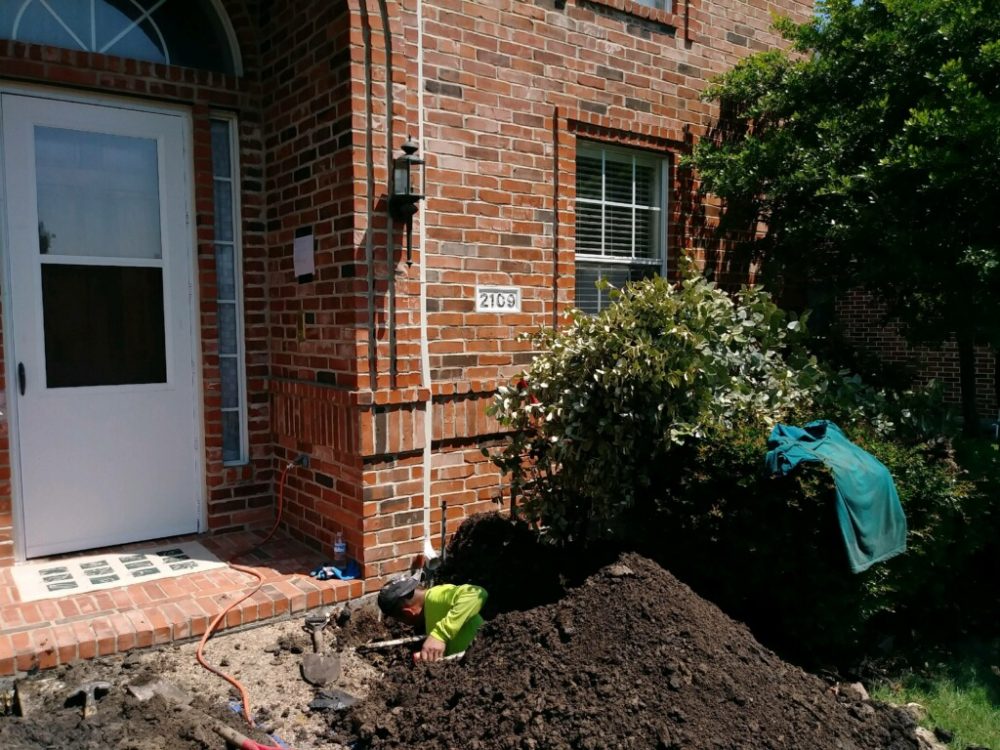
Foundation Repair Facts Every Homeowner Should Know
Foundation problems are rarely as simple as one crack or one symptom. The condition of the soil, drainage around the property, construction methods, moisture levels, and the pattern of movement can all play a role.
Texas A&M research has documented how expansive soils can shrink and swell as moisture conditions change, creating movement beneath shallow foundations. Research from Texas A&M also notes that soil characteristics influence the amount and rate of differential soil movement. This is why understanding the cause of foundation movement is essential before deciding what, if anything, needs to be repaired.
Here are some of the most common foundation repair myths homeowners should stop believing.
Does Every Crack Mean You Have Foundation Damage?
No. A crack by itself does not automatically mean your home has serious foundation damage.
Homes and building materials can develop cracks for several reasons. Minor shrinkage, normal material movement, temperature changes, and other conditions may cause small cracks without indicating a major structural problem.
The Foundation Performance Association notes in its Homebuyers’ Guide for Foundation Evaluation that small hairline drywall cracks are often associated with initial settling, while diagonal cracks around doors and windows can be more significant indicators of excessive foundation movement.
Instead of judging a foundation based on one crack, look at the overall pattern. Warning signs worth investigating can include:
- Cracks that continue to grow
- Diagonal cracks around windows or doors
- Multiple cracks appearing in different areas
- Doors or windows that suddenly begin sticking
- Noticeably uneven or sloping floors
- Separation around walls, trim, windows, or exterior masonry
The key is not simply whether a crack exists. It is whether several symptoms suggest that the structure is experiencing abnormal or ongoing movement.
Is Foundation Settling Always Normal?
Some movement can occur, but homeowners should not assume that every change is harmless simply because a house is “settling.”
The more important question is whether the foundation is experiencing differential movement. This occurs when different areas of the foundation move by different amounts, potentially creating stress throughout the structure.
Soil moisture can be a major factor. Clay soil expands as it absorbs water and contracts as it dries. Texas A&M AgriLife specifically warns that heavy clay can swell when wet and shrink when dry, which can place stress on foundations.
That means changes around your home deserve attention, particularly if several symptoms develop together.
A useful homeowner habit is to document suspicious changes. Take dated photographs of cracks and note changes in doors, windows, flooring, or exterior brickwork. If conditions worsen over time, that information can help a foundation professional understand the pattern.
Does Every Foundation Problem Require an Expensive Repair?
No. Discovering a potential foundation issue does not automatically mean your home needs extensive foundation repair.
Some homeowners delay an evaluation because they assume calling a foundation company will inevitably lead to a large repair recommendation. That assumption can allow a manageable issue to become more difficult to address.
A professional evaluation should determine:
- Whether abnormal foundation movement is occurring
- Where movement appears to be concentrated
- What conditions may be contributing to it
- Whether corrective work is necessary
- What type of solution is appropriate for the property
Different homes can require different approaches. Foundation repair should be based on the actual condition of the structure, not a one-size-fits-all recommendation.
This is also why experience matters. Dodson Foundation Repair has worked with a wide variety of foundation and pier systems over more than four decades, allowing our team to evaluate each property based on its specific conditions.
Will Filling Foundation Cracks Fix the Problem?
Filling a crack may improve its appearance or help address a specific maintenance concern, but it does not necessarily correct the cause of foundation movement.
If soil movement, drainage, moisture changes, or another structural condition is causing the foundation to shift, cosmetic repairs alone will not address that underlying issue.
Think of a crack as a symptom. Repairing the symptom without identifying the cause can mean the crack returns or new symptoms appear elsewhere.
Drainage is particularly important. The Foundation Performance Association recommends checking that water does not pool near a foundation after heavy rain and correcting grading or drainage problems when necessary.
Homeowners should regularly check:
- Gutters and downspouts
- Areas where water collects after rain
- Soil conditions around the perimeter
- Landscaping close to the foundation
- Plumbing leaks or unexplained moisture
- Changes in existing cracks
Managing water around a home cannot guarantee that foundation movement will never occur, but proper drainage is an important part of protecting the property.
Should You Wait Until Foundation Problems Become Obvious?
No. Waiting for dramatic symptoms can make it harder to address a developing foundation problem early.
Foundation movement can happen gradually. A door may begin rubbing against its frame, a small drywall crack may grow, or a gap may develop around a window. Any one symptom might have another explanation, but several occurring together can justify an evaluation.
Consider contacting a foundation professional when you notice a combination of:
- Growing wall or ceiling cracks
- Sticking doors and windows
- Sloping or uneven floors
- Exterior brick or mortar cracks
- Gaps around windows or doors
- Separation between walls and ceilings
- Changes that become progressively worse
An evaluation can provide useful information even when repair is not immediately necessary. Knowing what is happening allows you to make an informed decision instead of guessing.
Frequently Asked Questions About Foundation Repair
Can a house have foundation cracks without needing foundation repair?
Yes. Some small cracks can result from shrinkage or normal material movement. The location, direction, size, progression, and presence of other symptoms are more informative than the existence of a crack alone.
Can poor drainage cause foundation problems?
Poor drainage can contribute to conditions that affect foundation performance. Water collecting near a foundation can change soil moisture levels, and expansive clay soils can swell when wet and shrink as they dry.
Do sticking doors always mean foundation trouble?
No. Doors can stick because of humidity, hardware problems, or changes in the door itself. When sticking doors occur alongside cracks, uneven floors, or other signs of structural movement, a foundation evaluation may be worthwhile.
Is it better to catch foundation problems early?
Yes. Identifying changes early gives homeowners more information and more time to address contributing conditions. Monitoring cracks and other symptoms can also help determine whether movement is stable or progressing.
Get the Facts Before Making a Foundation Repair Decision
Foundation repair myths can create unnecessary worry on one extreme and cause homeowners to ignore legitimate warning signs on the other. A crack does not automatically mean your foundation is failing, but growing cracks, sticking doors, uneven floors, drainage concerns, and multiple symptoms should not simply be dismissed.
With more than 40 years of experience, Dodson Foundation Repair helps homeowners understand what is really happening beneath their homes and determine the right path forward.
Concerned about your foundation? Contact Dodson Foundation Repair today to schedule an evaluation and get clear answers from an experienced foundation repair team.