
What Do Home Inspectors Look for in Foundations? A DFW Homeowner’s Guide
Foundation inspection checklist for North Texas homes
When it comes to protecting your home investment in the Dallas-Fort Worth area, few things matter more than a solid foundation. At Dodson Foundation Repair, we understand how stressful foundation concerns can feel, especially during a home inspection. Whether you are buying, selling, or simply maintaining your property, knowing what home inspectors look for in foundations can help you avoid surprises and costly repairs.
With decades of experience serving DFW homeowners, our team is committed to honest assessments, long-lasting solutions, and exceptional customer care. North Texas soil conditions, especially expansive clay, create unique challenges that require local expertise. Our goal is to educate homeowners, provide clarity, and help you make confident decisions about your property. In this guide, we break down exactly what inspectors evaluate, why it matters, and how you can prepare your home for a successful inspection.
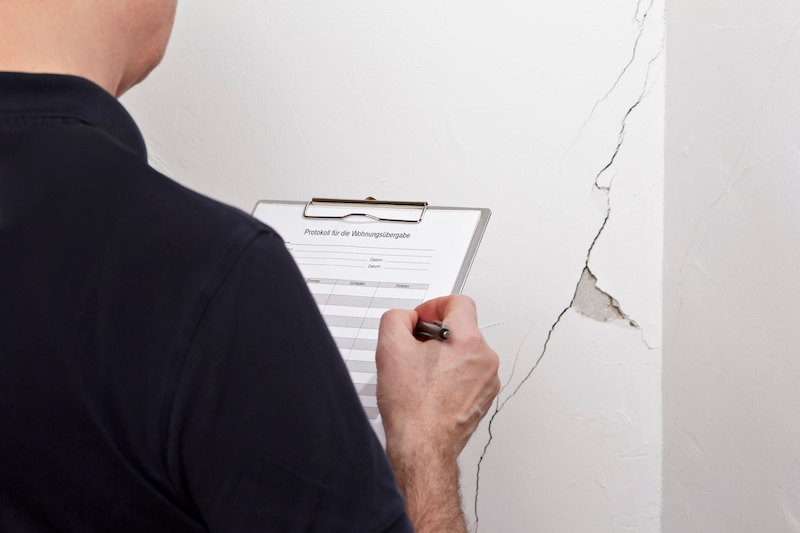
Visible Cracks and Structural Movement
One of the first things a home inspector will check is visible cracking in and around the foundation. Not all cracks are cause for concern, but certain patterns can signal deeper structural issues.
Inspectors typically look for:
- Horizontal cracks, which may indicate pressure against foundation walls
- Stair-step cracks in brickwork, common in DFW homes with shifting soil
- Large or widening cracks in slabs or exterior walls
- Separation around doors, windows, or garage frames
In North Texas, frequent drought and heavy rain cycles cause soil to expand and contract. This movement can lead to foundation shifting over time. According to industry data, soil-related issues account for a significant percentage of structural damage in Texas homes.
Tip for homeowners: Monitor cracks over time. If you notice growth or new patterns forming, it is wise to have a professional evaluation before an inspection.
Doors, Windows, and Interior Warning Signs
Foundation problems often show up inside the home before they are obvious outside. Inspectors pay close attention to how doors and windows function, as well as subtle signs of structural stress.
Common interior red flags include:
- Doors that stick or will not latch properly
- Windows that are difficult to open or close
- Uneven or sloping floors
- Cracks in drywall, especially above door frames
- Gaps between walls and ceilings
In neighborhoods across Dallas, Fort Worth, Plano, and Frisco, these symptoms are often linked to foundation movement caused by clay-rich soil. Even minor shifts can affect the structural alignment of your home.
Tip for homeowners: Walk through your home before an inspection and test every door and window. Small issues can provide early clues that inspectors will notice.
Drainage and Moisture Conditions
Water management plays a major role in foundation health, especially in the DFW climate. Inspectors carefully evaluate how water moves around your property.
They will check for:
- Poor grading that allows water to pool near the foundation
- Clogged or missing gutters and downspouts
- Standing water after rain
- Signs of erosion or soil separation
- Moisture intrusion in crawl spaces or basements
Heavy storms in North Texas can quickly saturate soil, while extended dry periods cause shrinkage. This constant cycle puts stress on foundations. Proper drainage helps maintain consistent soil moisture, reducing the risk of movement.
Tip for homeowners: Ensure downspouts direct water at least several feet away from your home. Simple drainage improvements can make a big difference during an inspection.
Foundation Type and Structural Integrity
Inspectors also evaluate the type of foundation your home has and its overall condition. In DFW, most homes have either slab foundations or pier and beam systems.
For slab foundations, inspectors look for:
- Cracking patterns and elevation changes
- Signs of settling or heaving
- Evidence of previous repairs
For pier and beam foundations, they check:
- Condition of support beams and joists
- Moisture levels under the home
- Proper ventilation in crawl spaces
- Stability of piers and supports
Each foundation type has its own maintenance needs, and inspectors are trained to identify early warning signs of failure.
Tip for homeowners: If your home has a pier and beam foundation, make sure crawl spaces are accessible and free of debris before the inspection.
Previous Repairs and Documentation
If your home has had foundation work in the past, inspectors will review the quality and effectiveness of those repairs. This can influence a buyer’s confidence and the overall inspection report.
They may look for:
- Visible repair systems such as piers or leveling work
- Signs of recurring movement after repairs
- Documentation, warranties, or engineering reports
In many cases, professional repairs from a reputable company can be a positive selling point. Buyers often feel reassured when repairs are properly documented and transferable warranties are available.
Tip for homeowners: Keep all records related to foundation repairs organized and ready to share. Transparency builds trust during the inspection process.
Why Foundation Inspections Matter in DFW
Foundation inspections are especially important in the Dallas-Fort Worth area due to the region’s soil composition and climate patterns. Expansive clay soils can swell significantly when wet and shrink during dry spells, leading to ongoing movement beneath your home.
Local real estate trends show that foundation condition is one of the top factors influencing home sales in North Texas. A clean inspection report can speed up transactions, while unresolved issues may delay or derail a deal.
By understanding what home inspectors look for in foundations, you can take proactive steps to protect your property value and avoid last-minute surprises.
Ready for Peace of Mind? Contact Dodson Foundation Repair
If you are preparing for a home inspection or have concerns about your foundation, Dodson Foundation Repair is here to help. Our experienced team provides thorough evaluations, honest recommendations, and solutions tailored to North Texas homes.
Ready to protect your home and pass your inspection with confidence? Contact us today to schedule your professional foundation assessment.